Cambridge Open Studios 2026 - Showing My fine Art Photography in Person.
I’ve never had the chance to write about Cambridge Open Studios (COS) since participating in July 2026.
Firstly, I would like to thank all of you for visiting.
I appreciated you taking the time out of your day to come along and spend some time looking at my fine art prints and black and white fine art photography. Whether you just had a brief glance or we had a conversation about one or all of the pieces, it really meant a lot to me.
Why did I participate in Cambridge Open Studios 2026?
I’m a strong believer that a photograph isn’t complete until it has been printed. Not to let it die on your hard drive. In this digital era, that has become the norm. We take photographs, store them digitally and share them on social media, where they can appear on a phone screen for a fraction of a second before the next image takes its place.
I started, as many of you will know, using film in the darkroom. Watching as the picture magically appears once dipped into the developer. Letting it dry, then framing the print. For 15 years, this was missing. I fell into the trap of not printing my work.
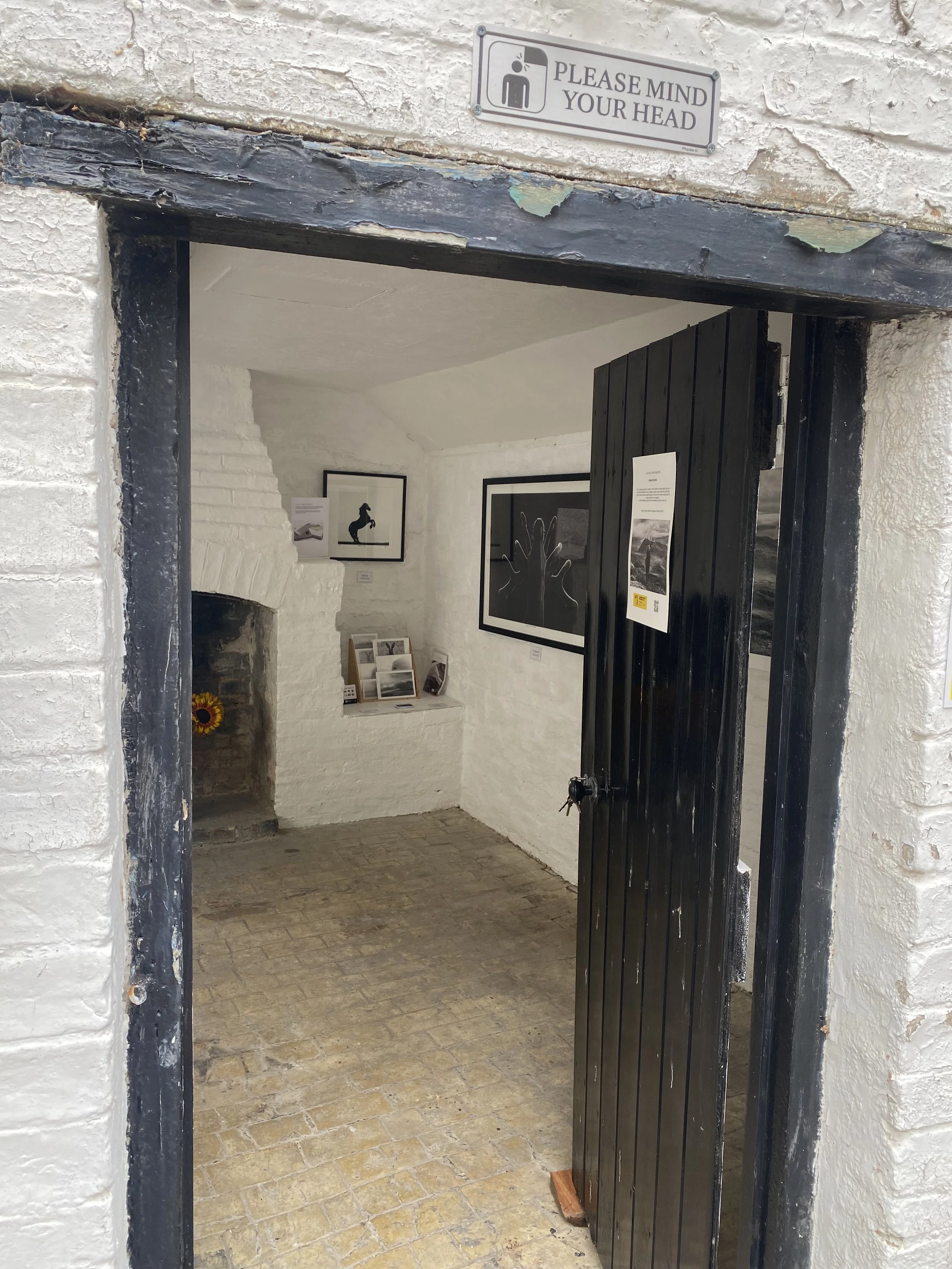
Cambridge Open Studios was a way of showing people prints again. Not relying on social media. Not rendering my photography on phone screens at 1 by 2 inches. I wanted people to see my fine art photography as physical artwork. I pride my prints on the detail, paper texture and depth of the blacks. Not pixels.
Seeing the photographs in person
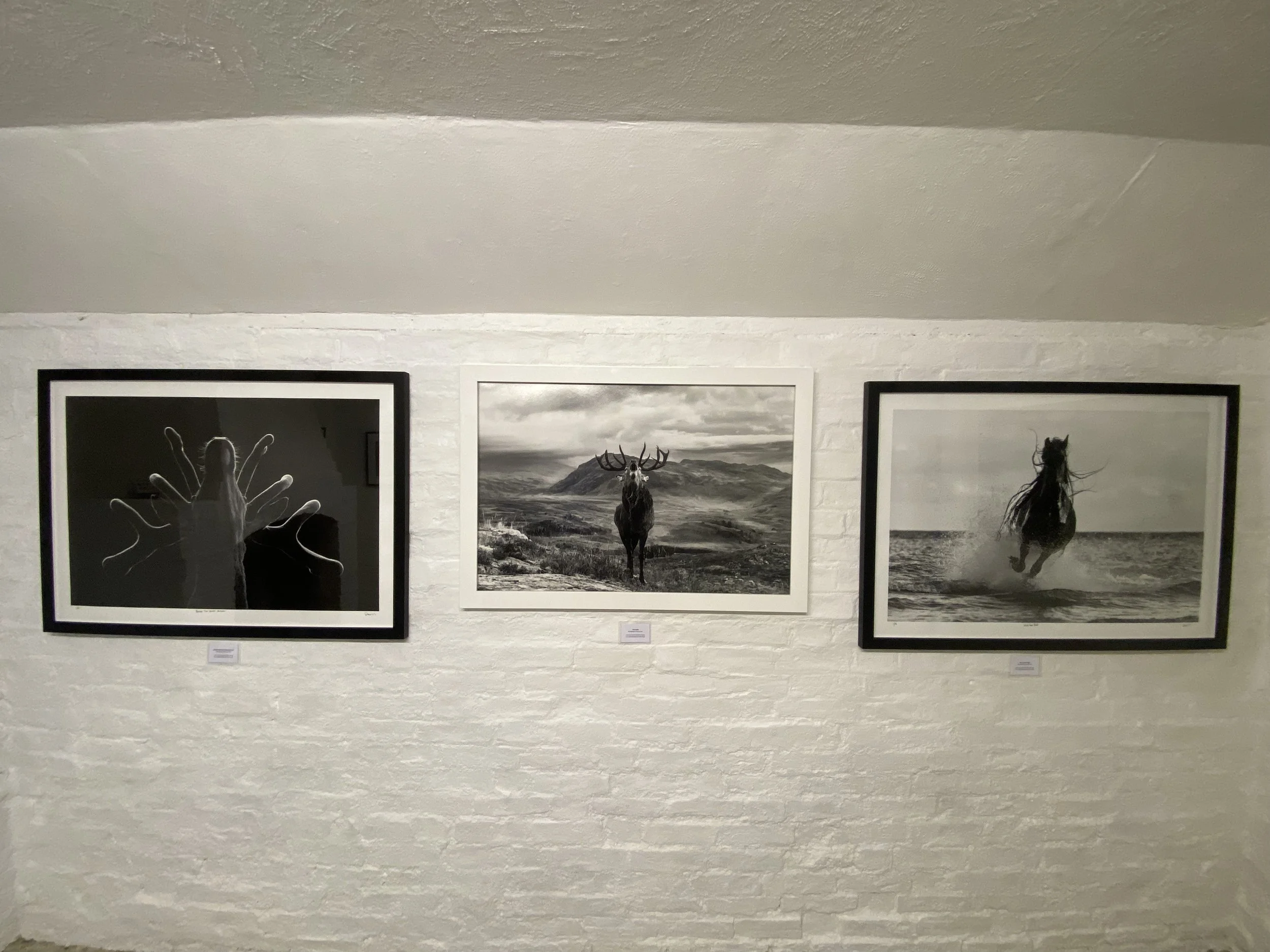
The initial response when people walked in was just what I wanted. Not many, if any, had seen photographs at the scale of my larger 24 × 36 inch limited edition prints. It was really nice to be able to tell you the stories behind them. The lengths some photographs take to capture and, for those interested, the techniques involved.
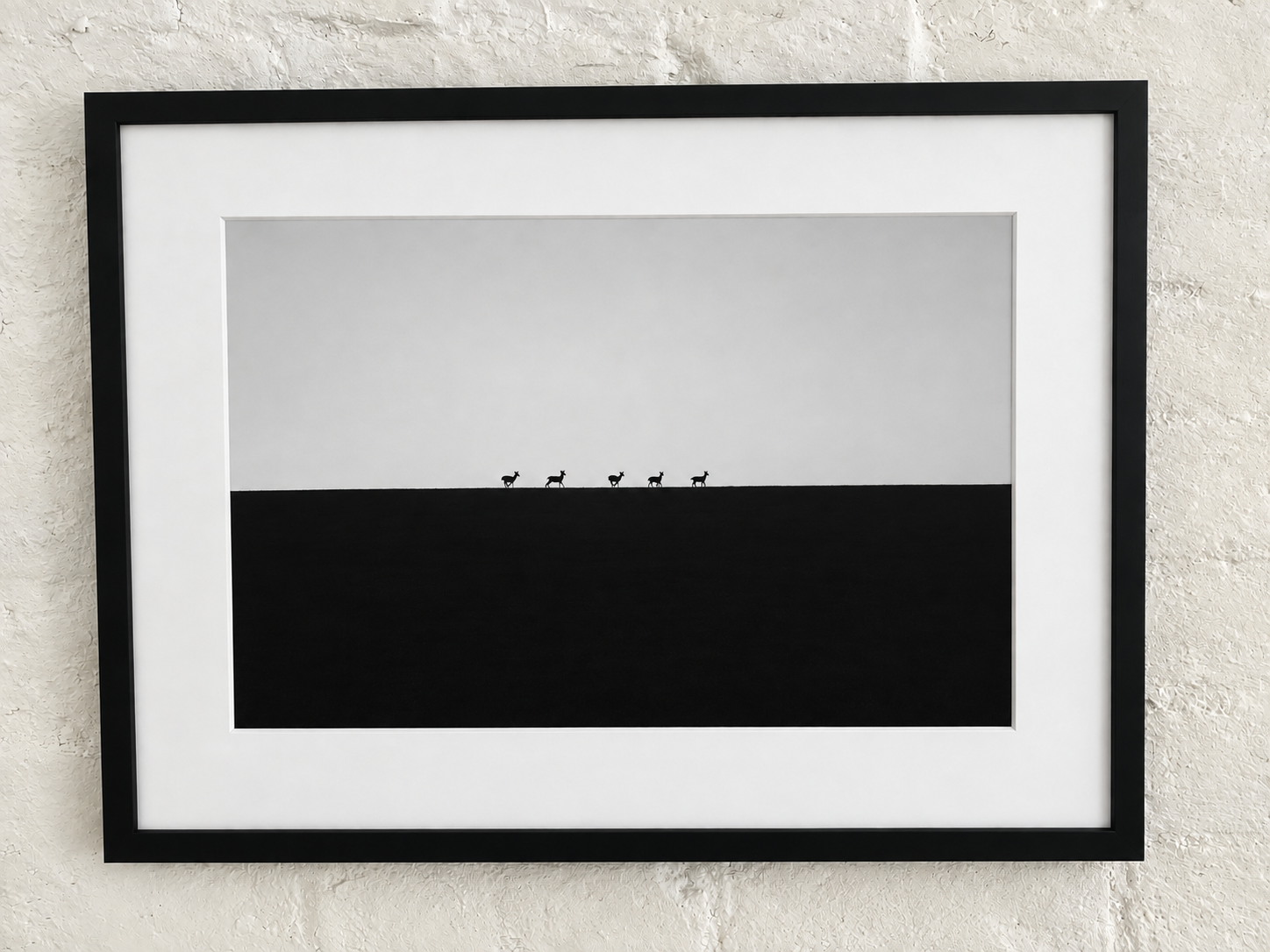
My work is predominantly black and white photography, with animals often being the subject. I tend towards minimalist photography, although sometimes I deliberately include a sense of place.
This is quite different from seeing a photograph on a phone or computer screen. The scale of a large fine art photographic print changes how you experience it. The time the average picture gets looked at on social media is around 0.6 seconds. So to see people look for minutes at a time was really uplifting and encouraging. People stopped. They looked. They asked questions. They looked again.
That was one of the things I enjoyed most about Cambridge Open Studios.
There is some vulnerability in showing people your art
There’s some vulnerability about showing people your art. I put a lot of effort on the line for my vision. It’s not for everyone.
I photograph in black and white. My subjects are animals. Often minimalist unless I’m purposely including a sense of place. This niche will naturally alienate several people. Those who get it, get it.
I had one visitor walk in the door and say, “Oh, it’s just photographs.” That’s fine. It’s not for everyone.
Another walked in and said they normally find photography boring as it’s soulless. They left the gallery with a print in their hands. I’ll take that. For me, that was one of the most rewarding parts of exhibiting my photography.
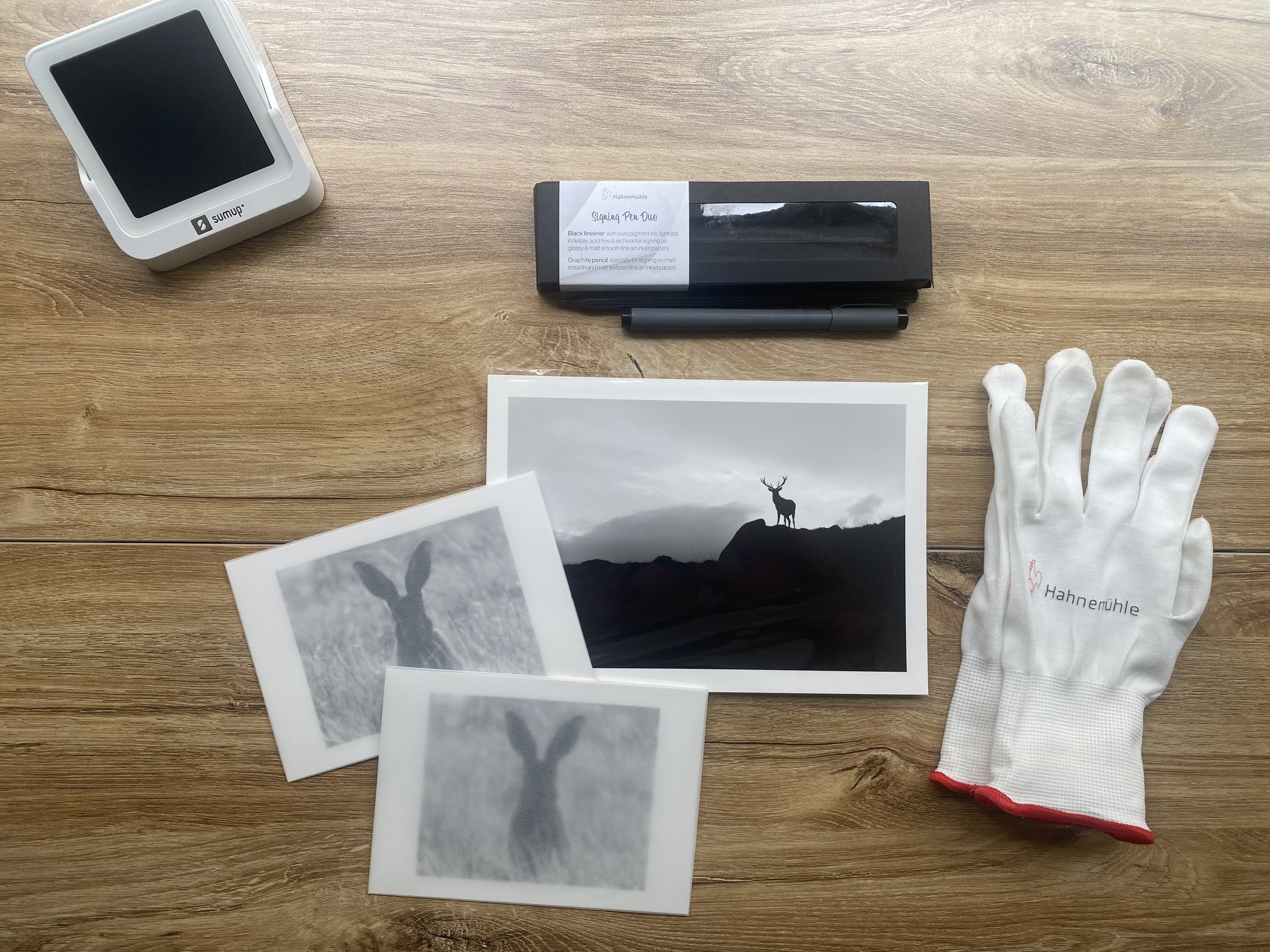
Not everyone has to like what I do. But when someone connects with a photograph enough to want to own the physical print, that is very different from someone simply scrolling past an image online.
Questions about my Piezography print process
I had lots of people ask me about my Piezography print process. I’m glad they did. As it’s rather special and not something I want to be taken as just another cheap “photo print”. For me, the physical print is an important part of fine art photography.
My limited edition prints were produced using the Piezography printing process with carbon-based inks on Hahnemühle Baryta fine art paper. The detail, tonal range, paper texture and depth of the blacks are all part of the finished artwork.

The photograph may begin as a digital file, but the finished piece is something physical. Something you can hold. Something you can frame. Something you can put on a wall. Something you can collect.
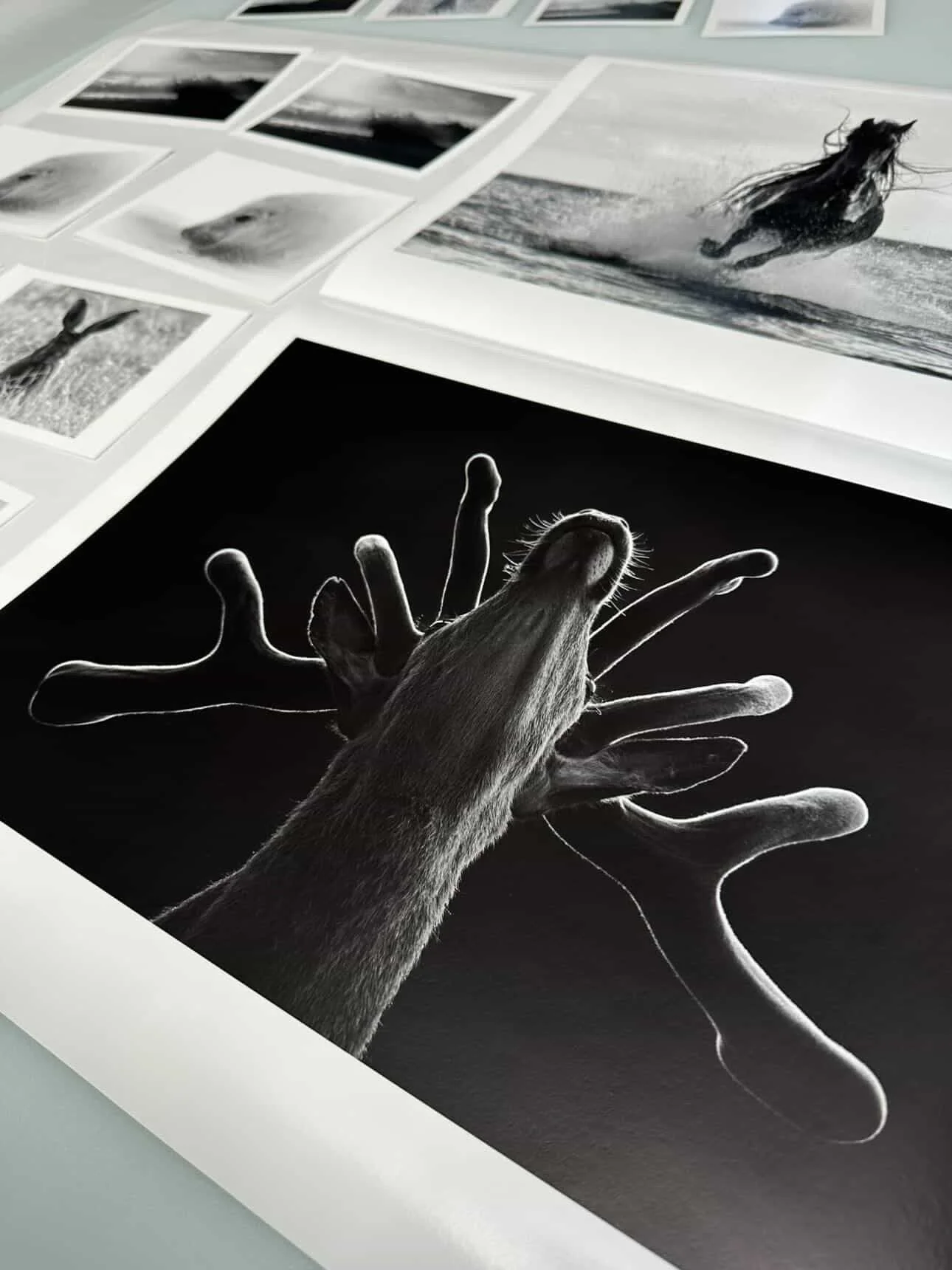
That distinction is important to me. I’m not interested in simply putting an image onto paper. I want the finished photographic print to stand on its own as a piece of fine art.
More than 100 visitors
I had over 100 people visit my gallery over the three weekends I participated in Cambridge Open Studios. More than I was told to expect. I soon realised many people don’t know what COS is or how to approach it.
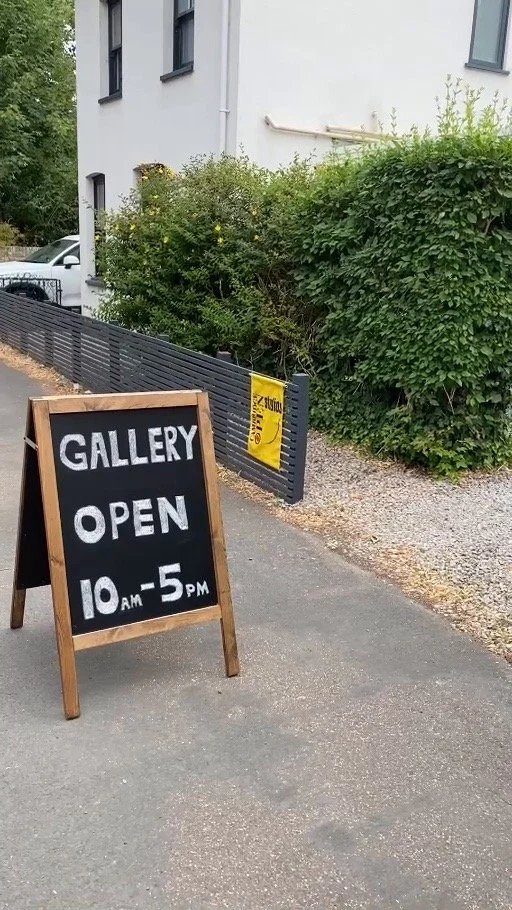
So I added an A-frame board on the high street. This made a massive difference. It brought in people that don’t normally “do art” and that was important to me.
I didn’t want to simply show my work to people who already considered themselves interested in photography or art. I wanted to introduce my fine art photography to a new audience. People who happened to be walking past. People who perhaps hadn’t planned to visit an exhibition. People who might not normally seek out a fine art photographer in Cambridge.
Some of those conversations were the most interesting of all.
More than an exhibition
The conversations I had were priceless. Making new contacts and opening doors for various things in the future. New friendships were made.
Gaining new collectors, that is something I hadn’t really anticipated when I decided to participate in Cambridge Open Studios. Of course, there is the obvious benefit of having an opportunity to exhibit my photography. But for me, COS was about much more than putting photographs on walls. It was about meeting people. Talking about the photographs. Explaining the stories behind them. Discussing the techniques and the Piezography printing process. And, most importantly, seeing how people responded to the work when they could experience it properly. Away from a phone screen. Away from social media. Away from the hard drive. And onto the wall.
Exactly where I believe photographs belong.
Would you like to see the work?
If you’d like to see the photographs in person, or perhaps see some of my newer work, I’m considering opening the gallery again nearer to Christmas.
I’m also happy to arrange a private viewing if you’d like to spend some time looking around the work without the crowds.
If that’s something you’d be interested in, just get in touch through my website and I’ll let you know when I’m next opening the gallery.
It would be lovely to see you.
Ian