Music in Minimalism
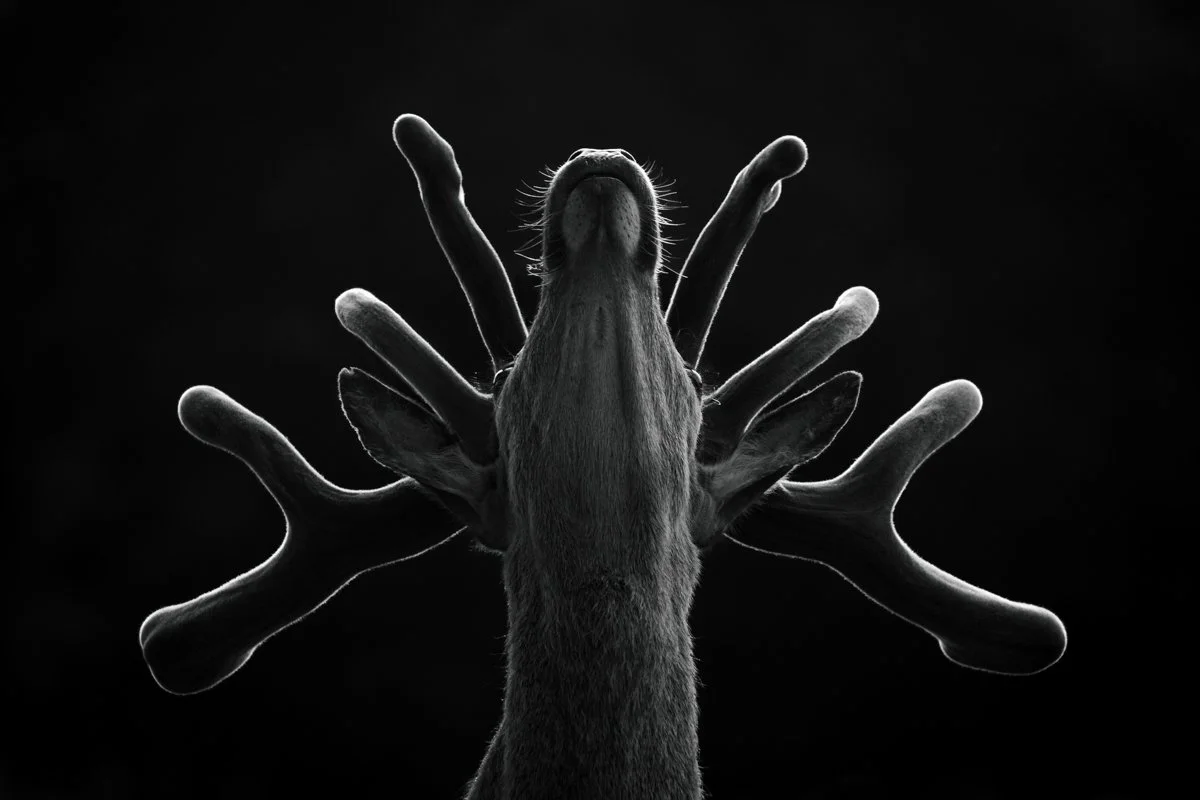
Below the velvet antlers. 1/12
The Music in Minimalism
When I listen to music, whether it’s a lesser-known song I used to listen to years ago or a classic written long before I was born, it’s the guitar solo, the drumbeat, the synthesiser or the violin that I’m drawn to most. I can hum the tune easily but, embarrassingly, I rarely know the words. Yet I can tell you which song it is from the very first chord.
What has this got to do with art or photography?
Shape and form in minimalist photography
If we liken the instruments to the shapes and forms within a photograph, and the lyrics to the details in the subject and background, perhaps it starts to make sense.
My black and white fine art prints, produced using Piezography Pro, render exactly what I want them to. Whether it’s the detail in the fur or the transition between shapes and tones, the printing process allows me to bring those elements to life. But what am I initially drawn to in a frame, long before the shutter is pressed, or even before I’m in the landscape?
The distinctive points of antlers. The mane of a horse. The long ears of a hare. The shape of a swan’s neck. The rugged horizon of a mountain. Or even the space occupied by an open sky or an empty beach.
These are the shapes and forms that first catch my attention. They are often what make me stop and look before I even consider the finer details.
Negative space: the silence in a song
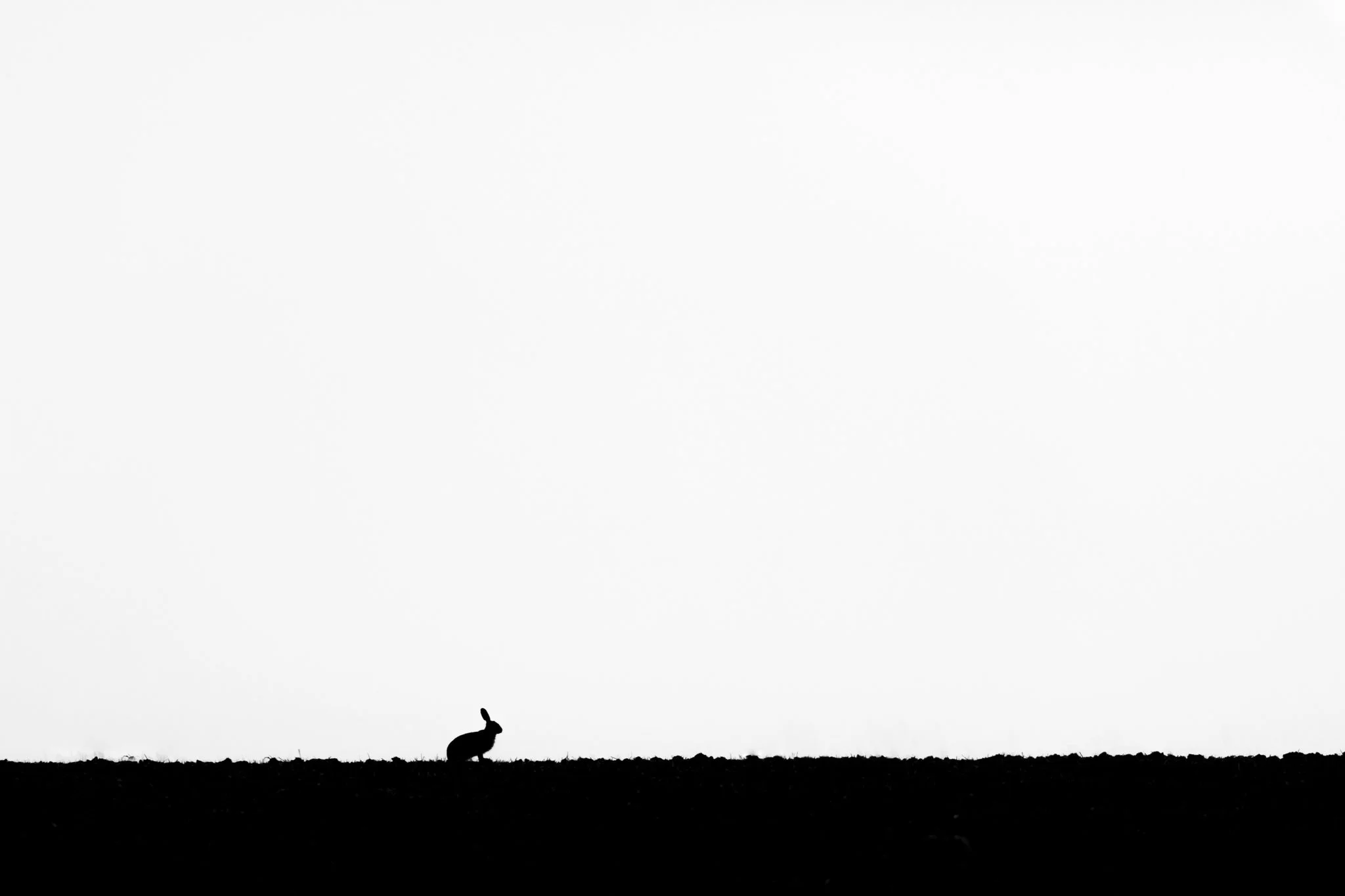
Lonely Hare 1/12
In photography, we call it negative space. But I like to think of it as positive space in my prints.
Much like the silence between notes in a piece of music, the space around a subject can be just as important as the subject itself. A pause can add drama, create separation and give the next note room to breathe. In a photograph, that same space can separate an animal from its surroundings, draw attention to its shape and give the whole image room to exist. Without it, everything can become a little too busy. The subject competes with its surroundings rather than sitting comfortably within them.
For me, that open space isn’t necessarily something missing from a photograph. It’s part of the photograph itself.
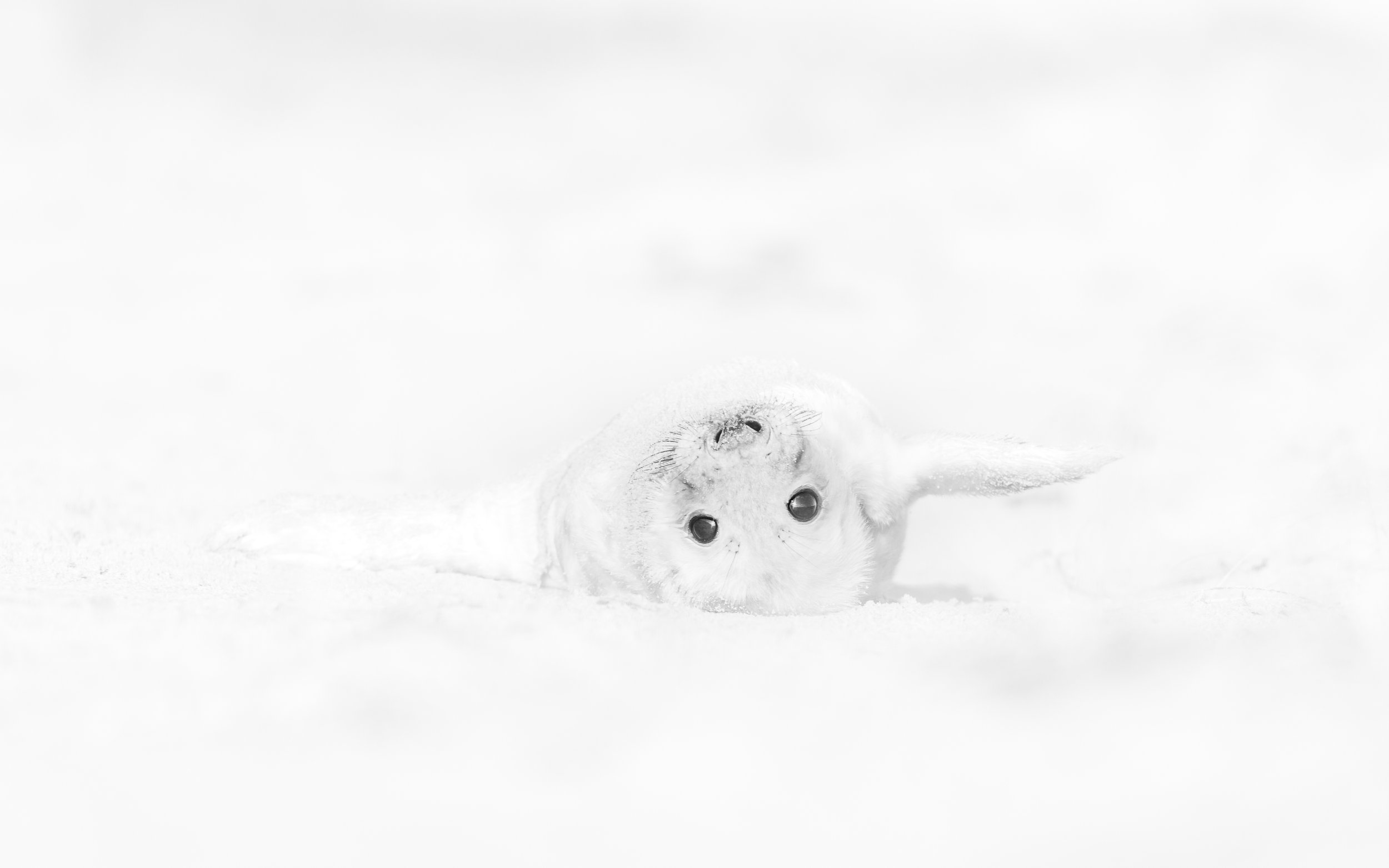
Playful Seal pup. 1/12
How much detail does a fine art photograph need?
Once I’ve made those initial decisions about shape, form and space, I can turn my attention to the detail in the feathers or fur, knowing that my fine art prints will show it off well.
But, much like the music, do I need it? Does it add to the finished print on the wall, or does it take something away?
Could I just stick with the piano chorus, without the words?
If I were to hang a minimalist photograph on the wall, showing velvet-covered antlers in all their glory or the elegant S-shape of a swan’s neck, would you need to see anything more?
If you see everything, does it stop being fine art photography and become reportage? Just as music can move from a classic to a cheap jingle, is there a point at which showing more actually gives us less?
Of course, it comes down to individual taste.
When a photograph makes you look twice
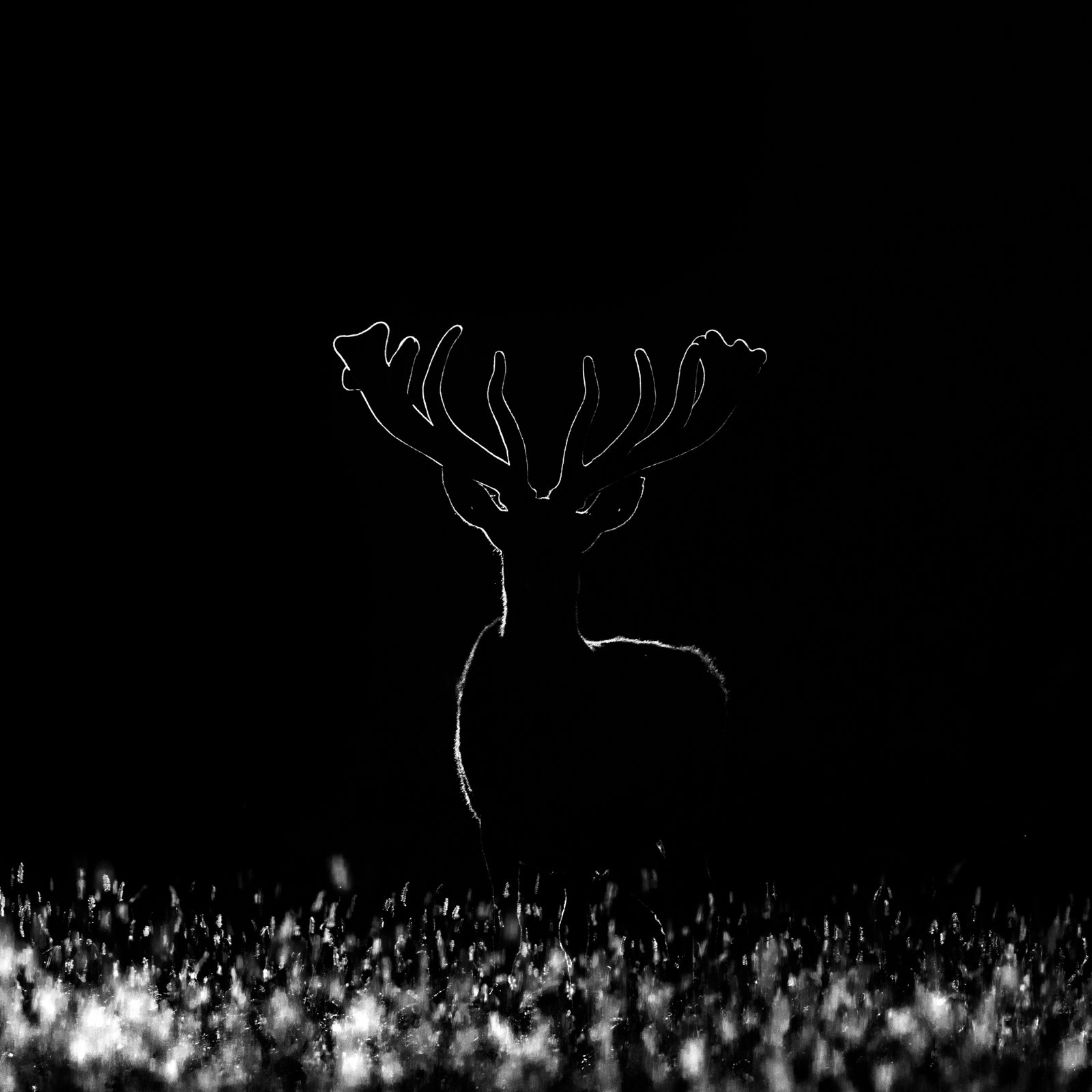
Stag outline 1/12
While exhibiting my work, I spoke to a visitor who told me he wasn’t quite sure what he was looking at. I asked him whether that was a good thing. His reply was yes. If he knew exactly what it was straight away, he wouldn’t still be looking at it.
That stayed with me.
When we live with art on our walls, whether it’s an oil painting on canvas or one of my black and white Piezography prints, perhaps it should do more than simply catch our eye as we walk past. It should give us a reason to look again.
It might be the shape that first draws us in, the subtle transition between tones or the relationship between the subject and the space around it. Perhaps we notice something different each time.
For me, that’s part of the appeal of minimalist fine art photography. It doesn’t have to tell us everything at once.
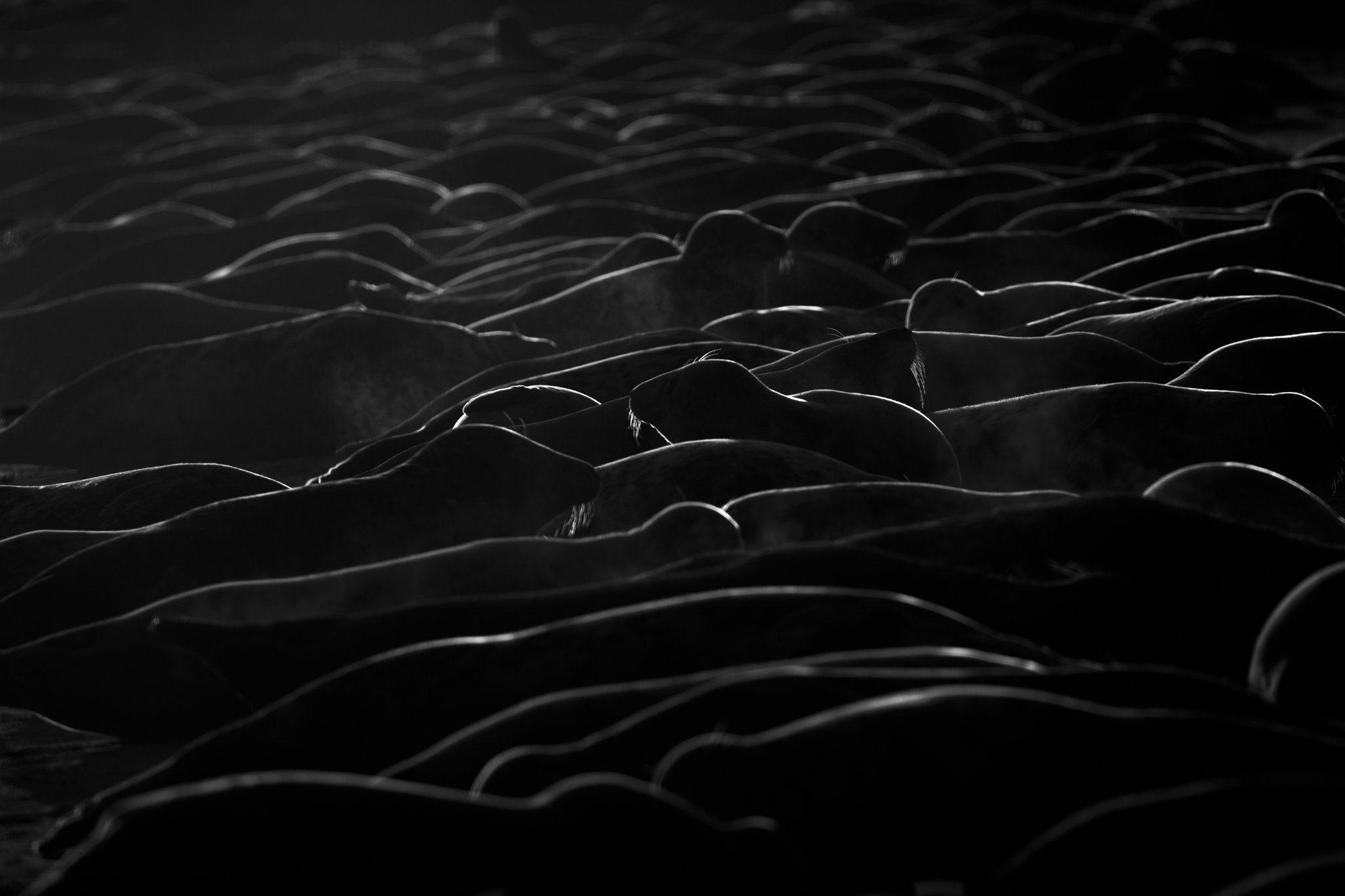
Seal lines. 1/12
Do we need another photograph of a horse?
In this day and age, we can Google or search Instagram for ‘horse’ and have thousands of photographs available to us in seconds.
Do I really need to photograph another one?
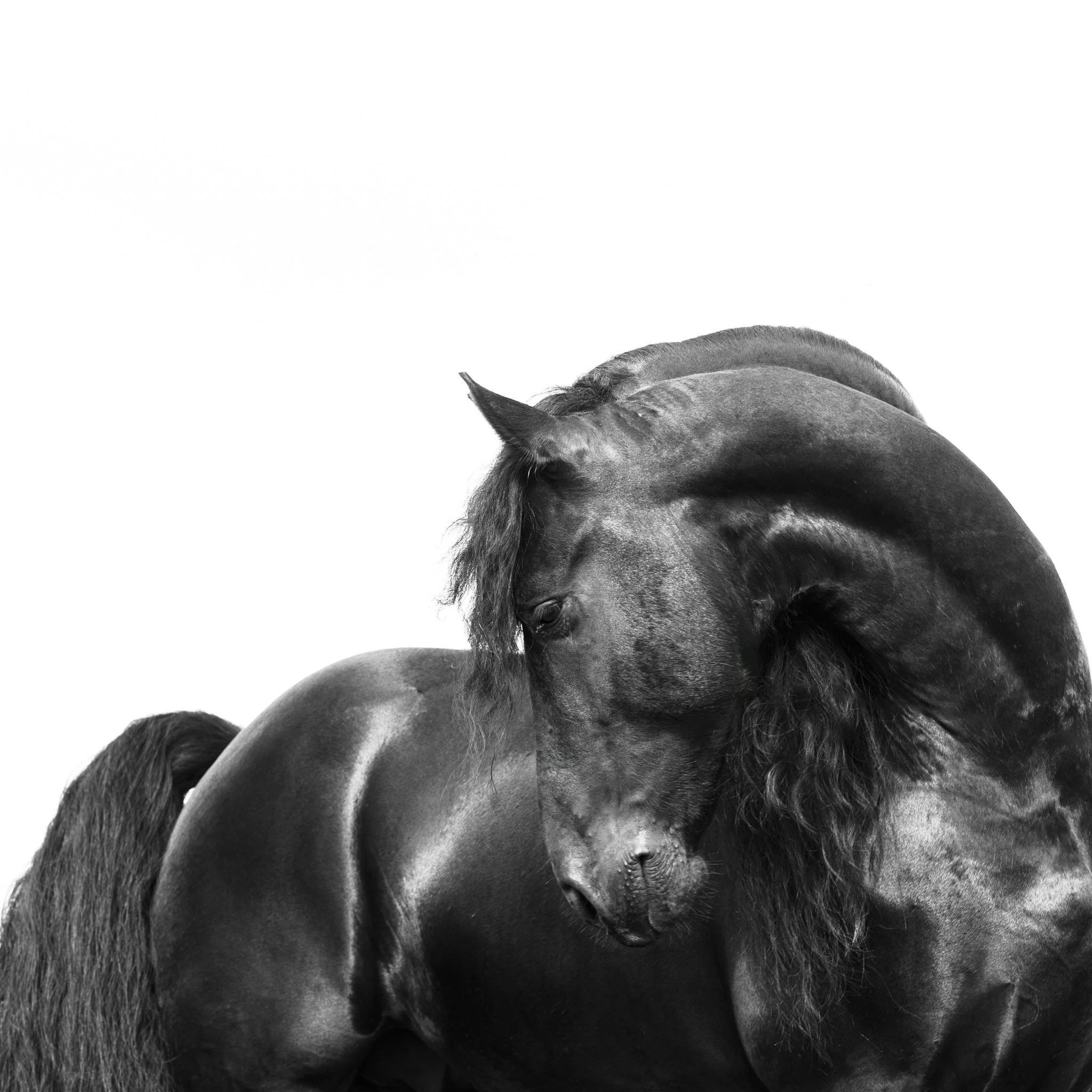
Sheen and shine 1/12
Well, yes. We all have our own vision. But perhaps the question isn’t whether I should photograph another horse. It’s whether I can show you something in that horse that you haven’t already seen.
Photography is so accessible now that simply recording what is in front of us isn’t always enough. I’m interested in what happens when we start taking things away, paying closer attention to shape and form, and allowing the space around a subject to become part of the image.
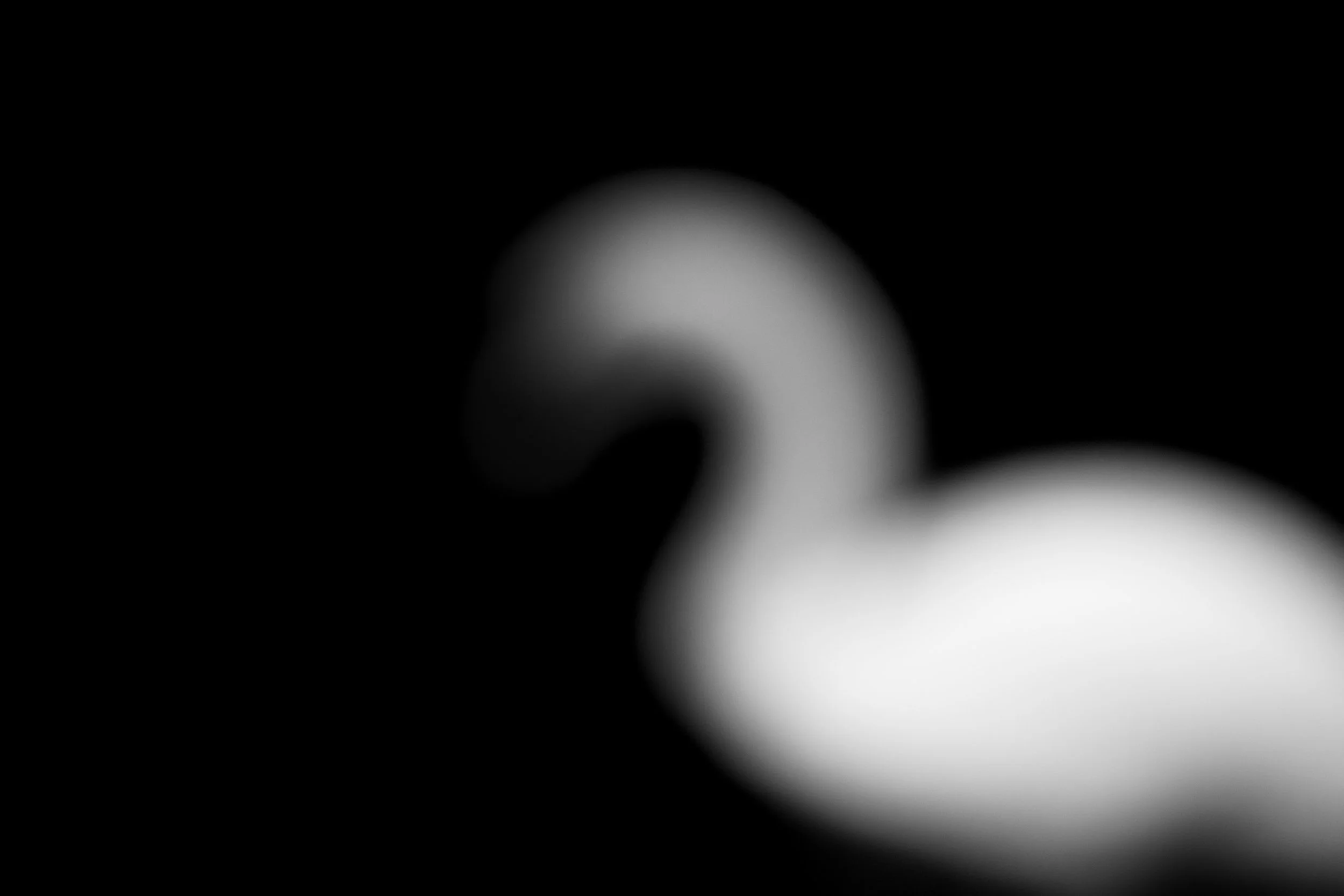
Recognition 1. 1/12
The best artists don’t play it safe.
And the second album is always a hard sell.
Thanks for reading,
Ian.